
Category: Storytelling & Worldbuilding
-

Story Seeds: How Tiny Emotional Moments Grow into Epic Worlds
Big worlds don’t start big. They start with a feeling.A small, human truth.A flicker of emotion that roots itself quietly — and grows. In storytelling, the most unforgettable worlds aren’t built on spectacle alone.They are planted, nurtured, and expanded from tiny moments that hold something real. Small Emotions, Big Foundations Before there was Middle-earth, there…
-

Re-Enchanting the Audience: How Small Moments Build Big Wonder
I still remember the first time I saw fireflies. There was no announcement. No fanfare.Just a handful of tiny lights winking in the dark — so small I almost missed them.But once I noticed, I couldn’t look away. They turned an ordinary summer night into something extraordinary.A quiet kind of magic that asked for nothing…
-

The Invisible Thread: Why Character Psychology Shapes Every Great Story
Some stories stay with us not because of what happened, but because of how they made us feel.Plot might set events into motion. But emotional truth — the felt, living experience of a character — is what binds us to a story long after the final page turns or the credits roll. So how do…
-

Why We Return to Fairy Tales (Even When We Outgrow Them)
When I was little, I didn’t just read fairy tales—I lived in them. I wandered through the woods behind our house imagining they were enchanted. I knew where the bears might roam (beyond the bend in the path) and which direction led to witches or wolves (to the left at the fork). I wondered if…
-
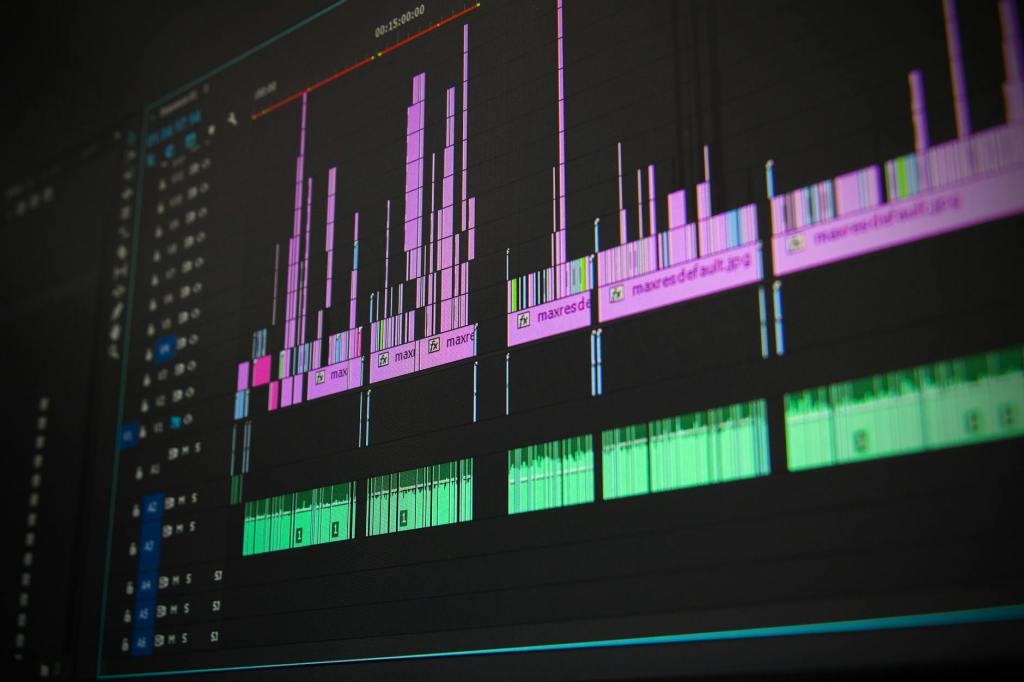
Cross-Disciplinary Insights: Lessons Animation Writers Can Draw from Directors and Editors
Animation is a uniquely collaborative art form. Unlike novelists, who control every word on the page, or playwrights, who script every beat of a performance, animation writers are one piece of a much larger puzzle. The story they write will be interpreted, reshaped, and refined by directors, storyboard artists, animators, editors, and sound designers. And…
-

What Spider-Verse and Arcane Teach Us About Taking Creative Risks
Great animation isn’t just about movement—it’s about momentum. The studios that dare to break the mold aren’t just making great films; they’re reshaping the industry. Both Spider-Verse and Arcane took risks that could have failed spectacularly. Instead, they redefined what animated storytelling can be. Here’s why their bold choices worked—and why risk isn’t just an…
-

Storytelling Through Motion: What Animation Teaches Us About Visual Narrative
Picture your favorite action sequence in animation. Maybe it’s the exhilarating leaps and web swings in Spider-Man: Into the Spider-Verse, the high-energy sparring in Kung Fu Panda, or the fluid elegance of Avatar: The Last Airbender’s bending fights. Now imagine that same scene… slowed down. Stiff. Lacking momentum. It wouldn’t hit the same. Motion isn’t…
-

The Power of Sound in Storytelling: Why Music and Sound Design Matter in Animation
Close your eyes. Now, think of the most emotionally powerful scene in animation you’ve ever watched. Maybe it’s the first time Hiccup reaches out to Toothless in How to Train Your Dragon—the entire world holding its breath as a single hesitant hand extends. Maybe it’s the devastating montage in Up, where Carl and Ellie’s life…
-

How Background & Character Design Shape Storytelling
Great stories aren’t just told through dialogue or plot—they’re felt in every brushstroke, color choice, and silhouette. Backgrounds and character designs aren’t just decoration. They are the story. They shape how we experience a world, how we feel about a character, and how we anticipate what’s coming next—often before a single word is spoken. Backgrounds:…
-

Why Worldbuilding Thrives on Experimentation—Breaking the Rules to Build Better Stories
Worldbuilding isn’t about rules—it’s about discovery. Yet, it’s often treated like a rigid framework—a carefully mapped-out history, geography, and set of laws that must be fully defined before the story even begins. Writers spend years constructing intricate lore, believing that flawless logic is what makes a world immersive. But the best worldbuilding? It doesn’t come…
 Christy Heyob | Building Worlds, Stories & Creative Teams