
When I was little, I didn’t just read fairy tales—I lived in them.
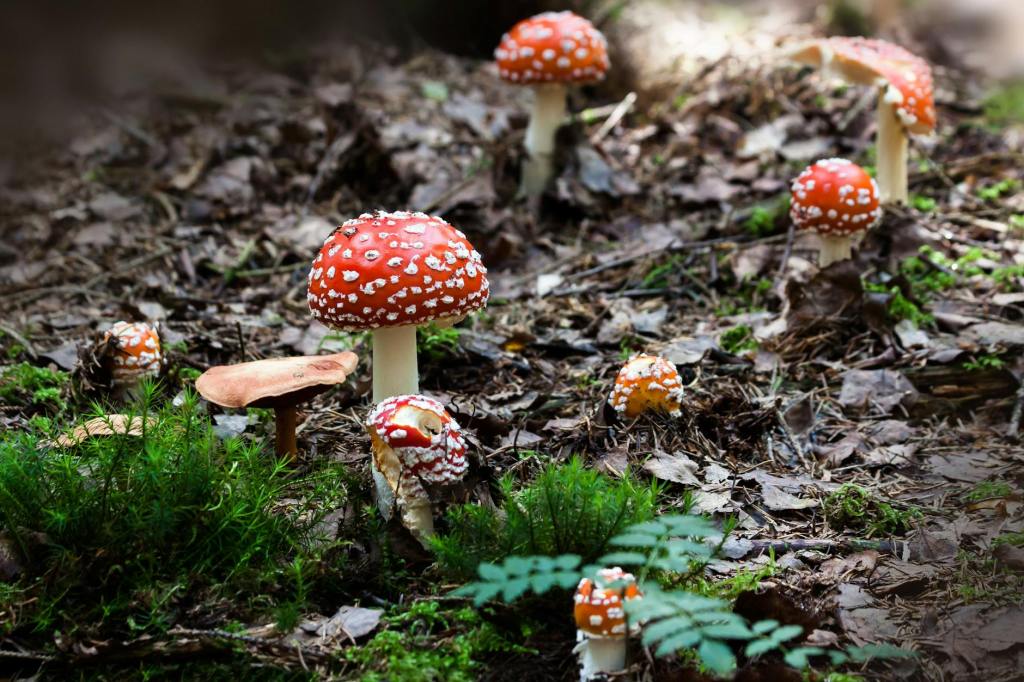
I wandered through the woods behind our house imagining they were enchanted. I knew where the bears might roam (beyond the bend in the path) and which direction led to witches or wolves (to the left at the fork). I wondered if fairies were hiding with the snails, and I always wondered where I might end up—or who I might meet—if I wandered too far and got lost.
I think that’s part of why I went into animation: to keep some of that enchantment alive. To hold onto the wonder and awe of exploring the world in depth, with both imagination and intention.
But even in animation, the world tries to make things practical.
You learn about budgets and deadlines, approvals and pipelines. You realize you can spend your whole day managing magic—without ever actually feeling it. You trade fantasy for meetings. Wonder for spreadsheets.
And yet, wonder is what I keep coming back to.
I never stopped loving fairy tales.
I just started appreciating them differently.
Fairy Tales Aren’t Just for Children
We tell ourselves fairy tales are for kids—and in some ways, that’s true. They’re simple. Symbolic. Easy to read aloud and fun to imagine before sleep.
But they’re also astonishingly rich. They’re about transformation and sacrifice, trust and betrayal, hope and hunger and fear. They teach us to recognize danger and resilience—to watch out for poisoned apples, but also to notice the people who help guide us through the forest.
Fairy tales aren’t childish. They’re emotionally efficient. They strip stories down to what matters most so we can see the shape of the thing underneath—and name it.
And when we revisit them as adults, something remarkable happens:
We find ourselves living in a different part of the story.
When the Same Story Means Something Different
The first time I read Beauty and the Beast, I wanted to be Belle. I loved books and quiet and was maybe a little too quick to think I could love the beast out of someone.
Now, I notice something else: how much the castle reflects his grief, how lonely and angry he is, how much time he’s spent hiding behind entitlement.
I don’t want to be Belle anymore. I want her to leave, to protect her own life. But I also want him to grow. To find his way out, too.
Then there’s The Little Red Hen, who I once thought was petty. But now? I admire her boundaries. She asked for help. No one showed up. So she did the work, made the bread, and enjoyed it herself. That story has aged well.
And not all the stories I returned to were fairy tales in the traditional sense.
Some just felt like them.
Before I could read, my mom read A Wrinkle in Time to us. I remember staring at the cover while my mind drifted—I thought it was about a satyr and space-traveling witches. It felt wild and wondrous.
Then I read it again, years later, and realized: oh. This is a story about a girl.
And when I picked it up as an adult, sitting on the floor of a bookstore, I was stunned by how much science and philosophy were woven into it. It wasn’t just a magical journey—it was an intellectual one.
That’s what I mean when I say stories are emotional maps. They change depending on where we are—but they always lead somewhere. They help us name our fear, understand our longing, and remember what it felt like to believe in magic before we knew what cynicism was.
Fairy Tales Help Us Navigate Change
Fairy tales often begin with exile—someone cast out, transformed, or lost.
And that’s not just plot. That’s life.
So many of us are living through our own versions of exile right now.
From certainty. From security. From the people or dreams or homes we thought we’d have forever.
Sometimes it happens slowly. Other times, all at once. A job disappears. A relationship unravels. A version of yourself no longer fits—and staying becomes a kind of vanishing.
It’s in those moments—when the forest feels too dark and the path ahead disappears—that fairy tales remind us:
Transformation is possible. And what we choose next matters.
Not because someone rescues us. Not because we get a redo.
But because we keep going.
We may not come out the same.
But we can come out wiser.
Braver.
And more whole than we were before.
What We Carry With Us
I still walk through woods. Not as often as I’d like, but when I do, I listen. Part of me still wonders what I might find—what quiet adventure might be waiting just beyond the bend.
These days, I don’t go looking for fairy rings or talking animals.
I go looking for silence.
For connection with something older, quieter, more grounded.
For a reminder that wonder is still out there—waiting to be noticed—and that there’s never just one right path to follow.
And often, without meaning to, I find a story. A memory. A thread.
As a parent now, I notice how we change the stories for our children.
The nursery rhymes that once seemed innocent now make me pause.
I soften lyrics, skip lines, rewrite endings—because I recognize the weight of what they carry.
Not just the darkness, but the assumptions. The warnings. The wounds.
We want better for our kids.
So we pass the stories down—but we reshape them, just a little.
And maybe that’s how transformation continues.
Maybe it’s always been this way.
The Grimm tales became Disney tales.
Warnings became lullabies.
And now, we find ourselves rewriting again.
Maybe that’s why these stories feel so eternal.
They follow a pattern older than we are—older than Disney, older than the Brothers Grimm.
Homer knew it.
Exile. Trial. Return.
We lose ourselves, we wander, we learn how to come back—not just to our homes, but to our hearts.
And we carry the story with us, reshaping it as we go.
That’s the thing about fairy tales.
They’re not meant to be decoded.
They’re meant to be carried.
Whispered.
Passed down.
Woven into the stories we tell ourselves when we’re trying to remember who we are.
Because wonder doesn’t disappear.
It shifts.
It gets buried under bills and deadlines and the pressure to be practical.
But it’s still there—waiting to be noticed.
Waiting for us to remember how to see.
As storytellers, we don’t just create fairy tales—we inherit them.
We question them.
We reshape them.
And through that, we make room for new ones.
Stories that heal, that challenge, that invite something gentler and more honest into the world.
This is something I think about often—in the stories I write, in the characters I build.
Fairy tales help us see what we’ve overlooked.
Including the parts of ourselves we thought were gone—but were quietly becoming something more.
Which story do you keep returning to? And what is it teaching you now?
If you’re drawn to how small emotional truths create lasting worlds, you might also enjoy Story Seeds — a reflection on how tiny moments of feeling can grow into epic narratives.
 Christy Heyob | Building Worlds, Stories & Creative Teams
Leave a comment