
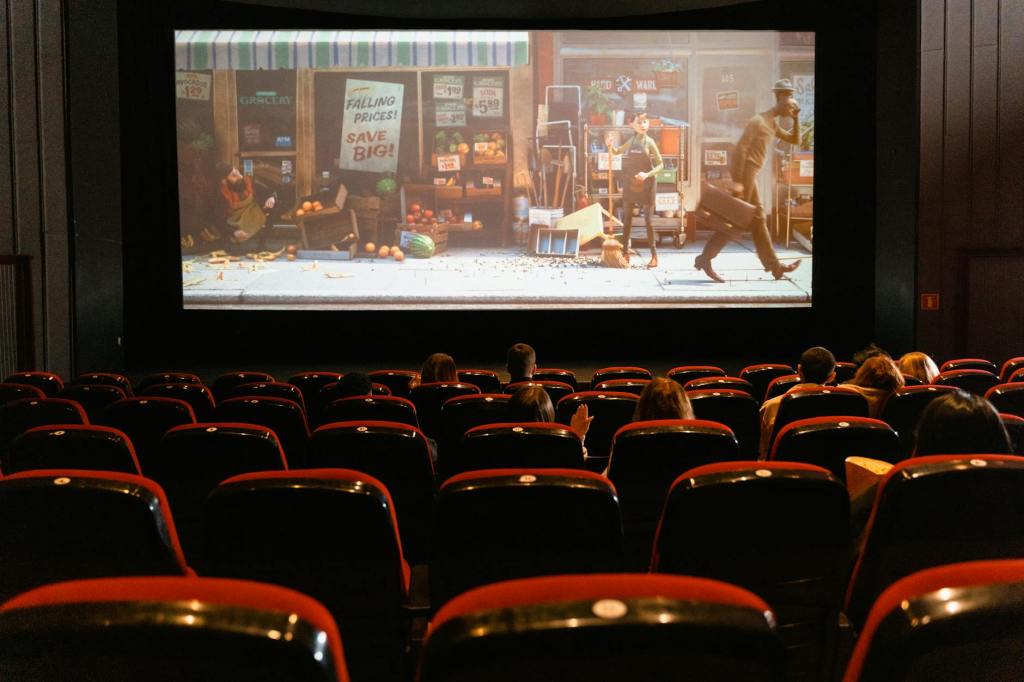
When I first started in animation, the idea of AI shaping our daily workflows felt like science fiction. Back then, Maya was the hot new thing, and I remember getting a trial version on a CD (yes, an actual CD). Now, I can’t go a few days without hearing about new tech reshaping how we work—and how we create. I’ve seen friends shift roles, teams evolve overnight, and job titles appear that didn’t even exist five years ago. It’s exciting—but also overwhelming. So, how do we future-proof our careers without losing the creative spark that brought us here in the first place?
The Studio System is Changing—But So Are the Opportunities
Once upon a time, you could land a steady job at a major studio, work your way up the ranks, and build a lifelong career. Those days are pretty much gone. But that doesn’t mean opportunities have disappeared—they’ve just evolved.
- Freelance & Contract Work is the Norm – More artists are moving between projects, companies, and even industries. Learning to manage finances, network, and build a personal brand is no longer optional—it’s an asset that gives you freedom.
- Multi-Studio Experience is a Strength – Jumping between studios isn’t a sign of instability; it’s a sign of adaptability. If your portfolio shows you can work across different pipelines, tools, and storytelling styles, you’ll have an edge.
- Hybrid & Remote Work is Here to Stay – Many animation studios have embraced remote pipelines. Knowing how to work asynchronously, communicate effectively online, and manage your own time makes you more valuable in this new reality.
While the traditional career ladder may have disappeared, the number of pathways forward has expanded. Artists today have more control over their careers than ever before—if they’re willing to embrace change.
AI is a New Tool—Not the End of Creativity
AI isn’t here to replace artists, it’s here to support creativity and streamline some of the more tedious parts of our process. The future belongs to artists who know how to harness AI, not fear it.
- AI-assisted tools can eliminate repetitive tasks, allowing artists to focus on higher-level creative decisions.
- Generative AI is speeding up previsualization, helping studios pitch, iterate, and develop ideas faster than ever.
- AI-driven animation tools support artists, not replace them—emotional storytelling, nuanced performance, and original design still require human insight.
Rather than making artists obsolete, AI is pushing the industry to value what only humans can bring: imagination, emotion, and authenticity. The best careers will belong to those who embrace new tools while refining the irreplaceable skills that make their work unique.
Animation Careers Are Expanding Beyond Hollywood
Animation is no longer confined to traditional studios. If you’re willing to think outside the box, there are more ways than ever to make a living as an animator, storyteller, or visual artist.
- Gaming, AR/VR, & Virtual Production – The gaming industry is booming, and real-time animation is reshaping how we experience stories.
- Online Content Creation – Platforms like YouTube, TikTok, and Patreon are proving that independent animation can be a sustainable career.
- Education, Corporate Media & Beyond – Animation is in demand for marketing, training, medical visualization, and even AI-enhanced storytelling.
Instead of waiting for opportunities to come from traditional studios, artists today have the power to build their own paths. The industry is expanding—not shrinking—if you know where to look.
Future-Proofing Your Career in a Changing Industry
If animation careers are evolving, the smartest move is to evolve with them. Here’s how:
- Stay Versatile – You don’t have to master everything—but being open to new roles can lead to opportunities you hadn’t imagined. The more skills you develop across areas like 2D, 3D, rigging, technical direction, or storyboarding, the more doors you’ll open.
- Build Relationships, Not Just Resumes – Who you know is just as important as what you know. Stay connected, engage with peers, and build a network that supports you.
- Think Like Both a Business and an Artist – Whether you’re freelancing or moving between contracts, knowing how to negotiate rates, market yourself, and manage income fluctuations is crucial.
- Keep Learning, Keep Experimenting – The best artists never stop growing. Stay curious, keep honing your craft, and be open to new ways of working.
Instead of fearing change, use it as a catalyst to grow. The more adaptable you are, the more doors will open.
The Future of Animation Careers is Bright—If You’re Willing to Adapt
The animation industry is changing, but that’s not a bad thing. The need for great storytelling, stunning visuals, and creative innovation isn’t going away—it’s just taking on new forms. The artists who thrive won’t cling to the past—they’ll learn, evolve, and lead the way forward.
The future of animation isn’t about fighting change—it’s about thriving within it. Stay curious. Stay nimble. Keep making great work.
And most of all? Don’t lose the creative spark that brought you here. Your imagination is still your greatest asset.
What’s Your Take?
Let’s start a conversation—what shifts are you seeing? How are you adapting? Drop your thoughts below—I’d love to hear from you.
Next Steps:
Revolutionizing Narratives: The Impact of AI, VR, and Interactive Media on Storytelling’s Future (Explores how new technologies are shaping careers.)
 Christy Heyob | Building Worlds, Stories & Creative Teams
Leave a comment